The 5 Real-Life Situations Where Expats Actually Need Italian
When does Italian really matter for expats in Italy? These 5 everyday situations are where fluency makes the biggest difference — and where to start.
Rebeka - Language Nomad
5/20/20262 min read
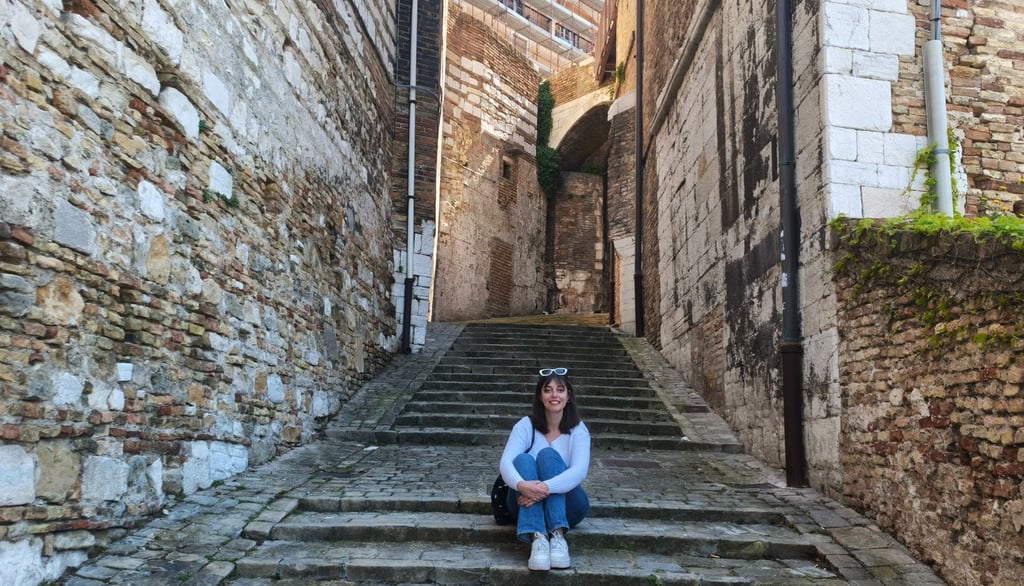
You can get by in Italy with English — in tourist areas, in big cities, in international workplaces. But getting by and actually living are two different things.
I've noticed that Italian fluency matters most in the same handful of situations. Master these, and daily life in Italy transforms.
1. At the doctor or pharmacy
This is the one that genuinely matters for safety and wellbeing. Describing symptoms, understanding a prescription, asking the pharmacist a question — these are not moments where you want to rely on Google Translate or a sympathetic shrug.
Expats who build medical vocabulary early feel dramatically more secure in Italy. It's not glamorous, but it's essential.
2. With neighbours and building administration
Your condominium administrator sends a letter. Your neighbour knocks on your door about the communal water bill. The comune sends a form that needs responding to.
These interactions are entirely in Italian, they often have deadlines, and they determine how comfortable and connected you feel in your actual neighbourhood — not just the tourist parts.
3. At the market and with local shopkeepers
This might sound minor, but it's where expat life either becomes joyful or stays transactional. The market vendor who teaches you the names of vegetables. The barista who remembers your order and asks about your week. The butcher who gives you cooking advice.
These micro-connections are what make Italy feel like home. They only happen in Italian.
4. With Italian friends or partners' families
If your partner is Italian, or you've started building real friendships with Italians, Sunday lunch is both a joy and a trial. Everyone talks at once, accents vary wildly, humour is cultural, and the speed is relentless.
Being able to participate — not perfectly, but genuinely — changes the entire dynamic of those relationships.
5. In professional or administrative settings
Whether you're freelancing in Italy, running a business, dealing with the Agenzia delle Entrate, or navigating Italian bureaucracy, professional Italian is a different register from conversational Italian. It's formal, precise, and full of specific vocabulary.
Expats who develop professional Italian have a significant practical advantage in every bureaucratic and business interaction.
Where to start
You don't need to master all five at once. The best approach is to identify which of these situations is causing you the most stress right now — and build from there.
In my courses, we work on exactly the situations that matter most in your life. Book a free 20-minute discovery call and let's figure out your priorities together.
In my courses, we work on exactly the situations that matter most in your life. Book a free 20-minute discovery call and let's figure out your priorities together.
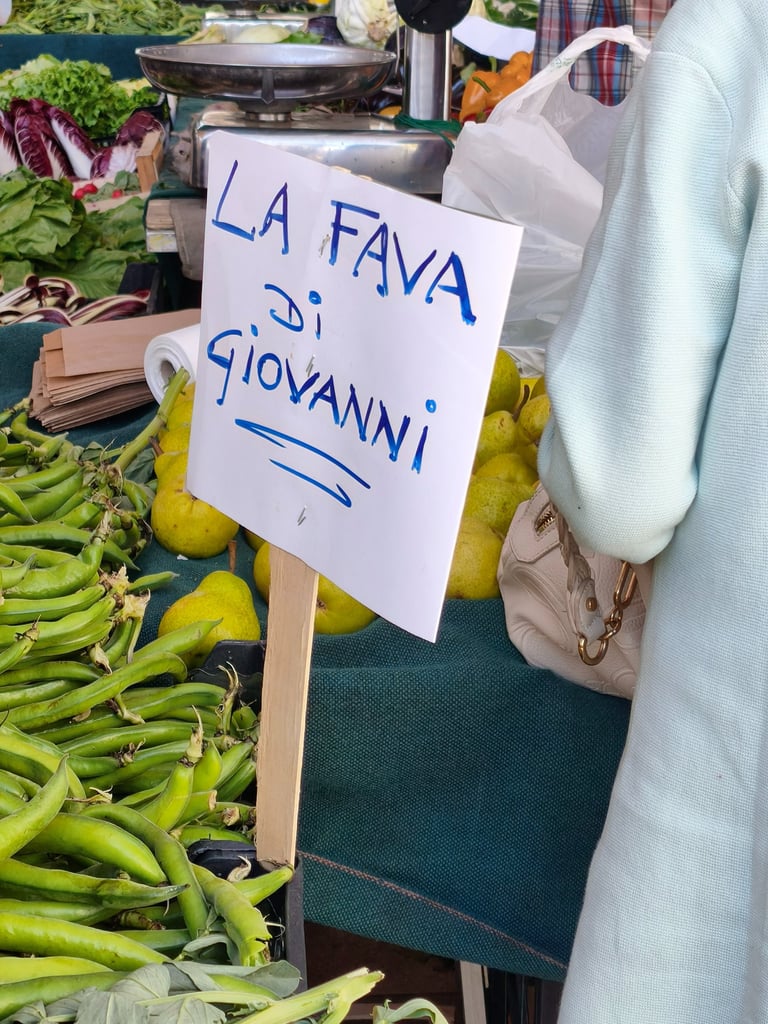
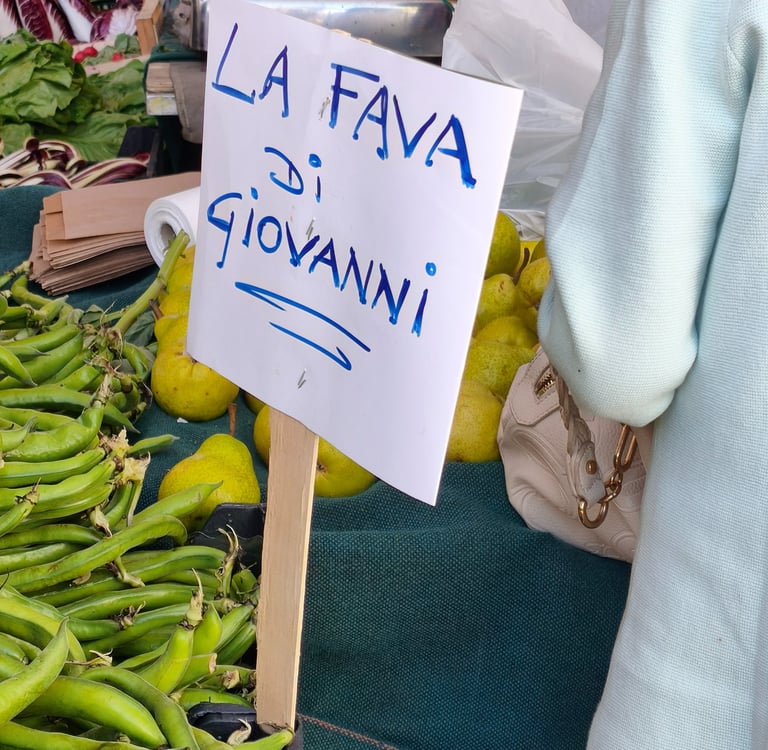
Be careful of you're asking for the fava of Giovanni...:)
Language Nomad© 2025. All rights reserved.
Rebeka Tamási
Not sure which package is right for you?
Book a free 20-minute discovery call!
No commitment, no pressure — just a conversation about where you are and where you want to go.